PT ENVITAMA SOLUSI INDONESIA (ENSINDO)
Environmental Compliance Assessment
Ensuring Your Business Meets Environmental Regulations
Environmental Compliance Assessment is a comprehensive evaluation designed to determine whether a company’s operations comply with applicable environmental regulations and permit requirements.
Through a systematic review of environmental documents, operational practices, and on-site facilities, this assessment identifies potential compliance gaps and provides clear recommendations to help companies maintain regulatory compliance, reduce environmental risks, and improve environmental performance.
Environmental Compliance Assessment is commonly conducted as part of regulatory readiness, internal environmental audits, PROPER preparation, or environmental due diligence.


Scope of Environmental Compliance Assessment
The assessment covers a wide range of environmental management aspects to ensure that the company’s operations align with applicable regulations and environmental best practices.
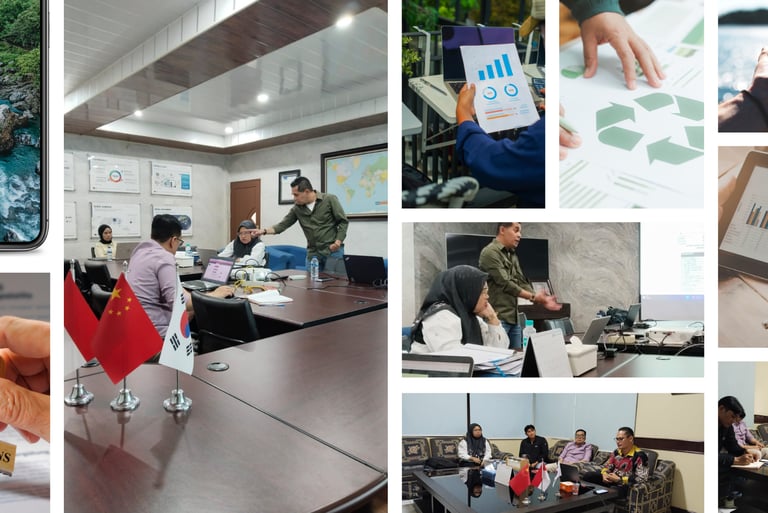
An overview of the company’s activities and environmental aspects.
This includes:
Company profile and operational overview
Industrial processes and production capacity
Raw material usage
Potential environmental impacts
Identification of environmental risk areas
1
Company Environmental Profile
2
Environmental Permits and Licenses Review
Verification of environmental permits and regulatory approvals required for company operations.
This includes:
Environmental Approval (AMDAL / UKL-UPL)
Wastewater Technical Approval
Air Emission Technical Approval
Hazardous Waste (B3) Management Approval
Technical Details for Hazardous Waste Storage
Temporary Hazardous Waste Storage Permit
Wastewater Discharge Approval
Environmental Management Approvals
Other environmental permits related to operational activities


4
Wastewater Management Compliance
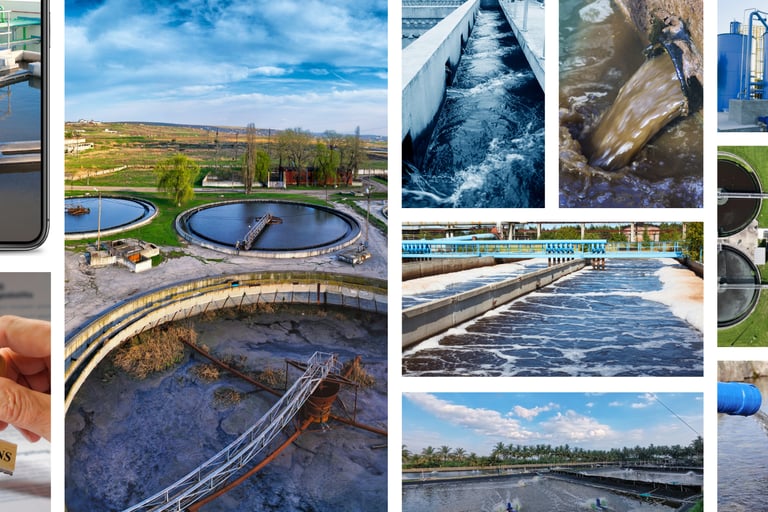
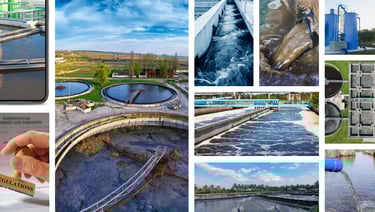
Evaluation of wastewater treatment and discharge management.
This includes:
Wastewater treatment plant (WWTP / IPAL) performance
Wastewater discharge volume
Compliance with wastewater quality standards
Wastewater monitoring practices
Wastewater reporting obligations
SPARING monitoring system implementation
Sampling locations and monitoring procedures
Compliance with applicable wastewater discharge limits
5
Air Emission Compliance


Assessment of air emission sources and emission control systems.
This includes:
Identification of emission sources
Chimneys and stacks
Air pollution control systems
Emission monitoring practices
Periodic emission testing
Compliance with emission standards
6
Hazardous Waste Management (B3 Waste)
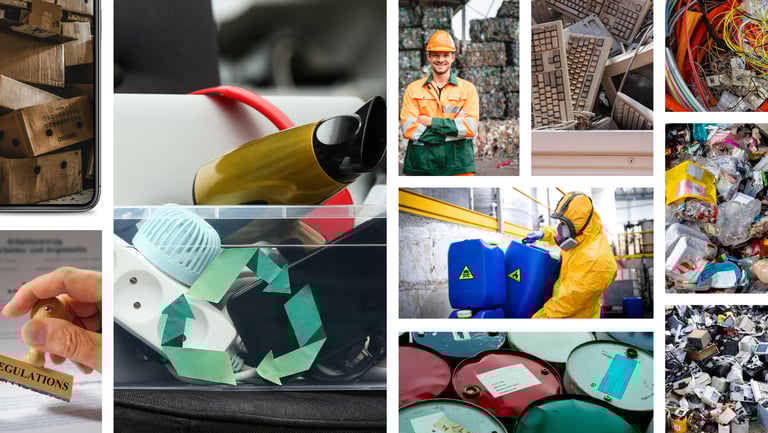
Evaluation of hazardous waste management practices.
This includes:
Identification and classification of hazardous waste
Temporary hazardous waste storage facilities
Storage procedures and infrastructure
Labeling and hazard symbols
Hazardous waste manifest documentation
Transportation and disposal practices
Cooperation with licensed waste treatment companies
7
Non-Hazardous Waste Management
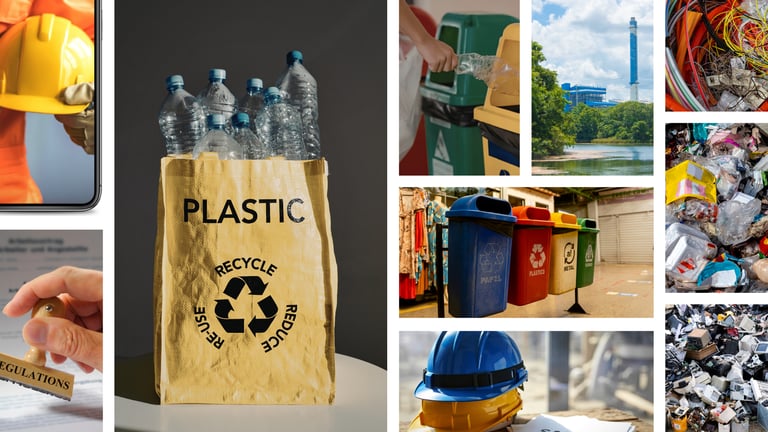
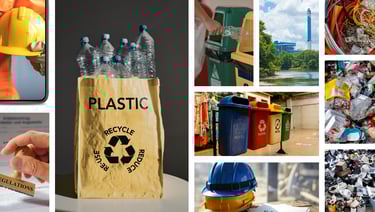
Assessment of non-hazardous waste management systems.
This includes:
Waste segregation practices
Waste collection and storage
Waste transportation
Waste reduction initiatives
Waste recycling and treatment efforts
8
Water Resource Management
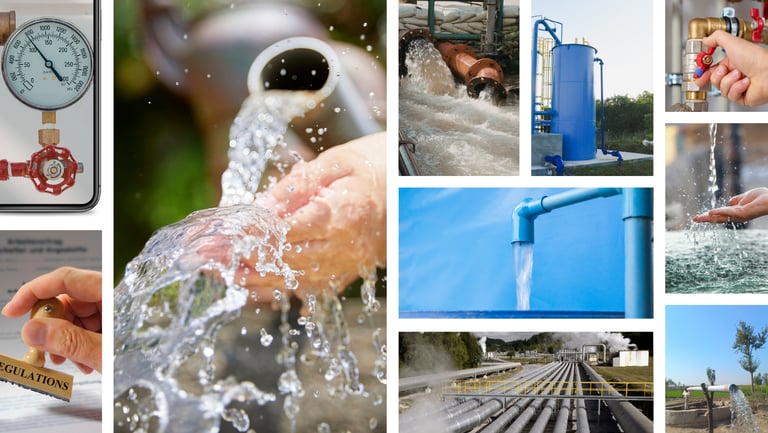
Evaluation of water usage and water resource efficiency.
This includes:
Water sources and permits
Water consumption patterns
Water balance analysis
Water efficiency initiatives
Water conservation programs
9
Energy Efficiency and Emission Reduction


Assessment of energy usage and greenhouse gas reduction initiatives.
This includes:
Energy consumption patterns
Energy efficiency programs
Greenhouse gas emissions
Emission reduction initiatives
11
PROPER Readiness Assessment

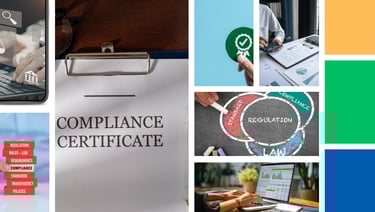
Evaluation of the company’s readiness for environmental performance rating programs such as PROPER.
This includes:
Compliance performance assessment
Beyond compliance initiatives
Resource efficiency programs
Waste reduction initiatives
Environmental innovation programs
Community and sustainability initiatives
12
Site Inspection
On-site verification of environmental facilities and operational practices.
This includes:
Wastewater treatment facilities
Hazardous waste storage areas
Air emission stacks and monitoring points
Environmental monitoring systems
Environmental infrastructure and supporting facilities


13
Compliance Gap Analysis


A systematic comparison between regulatory requirements and current company practices to identify compliance gaps.
This process identifies:
Non-compliance issues
Potential regulatory risks
Areas requiring improvement
14
Corrective Action Plan


Development of practical recommendations and corrective actions to address identified gaps.
This includes:
List of findings and compliance gaps
Risk level classification
Recommended corrective actions
Priority improvement areas
Implementation timeline
15
Assessment Deliverables
Upon completion of the Environmental Compliance Assessment, clients receive a comprehensive report including:
Environmental compliance status
Identification of compliance gaps
Regulatory risk analysis
Compliance performance overview
Corrective action plan
Recommendations for improving environmental performance


Environmental Compliance Assessment helps organizations proactively manage regulatory requirements, reduce environmental risks, and improve operational sustainability.
ENSINDO provides professional environmental compliance evaluation services to support industries in maintaining responsible and compliant operations.
Strengthen Your Environmental Compliance


PT ENVITAMA SOLUSI INDONESIA
PT ENVITAMA SOLUSI INDONESIA @2025
Addresses :
Taman Setiabudi Indah 2 Blok 2 No. 22 Medan Sunggal. Medan Sumatera Utara

Chat with Our Marketing :