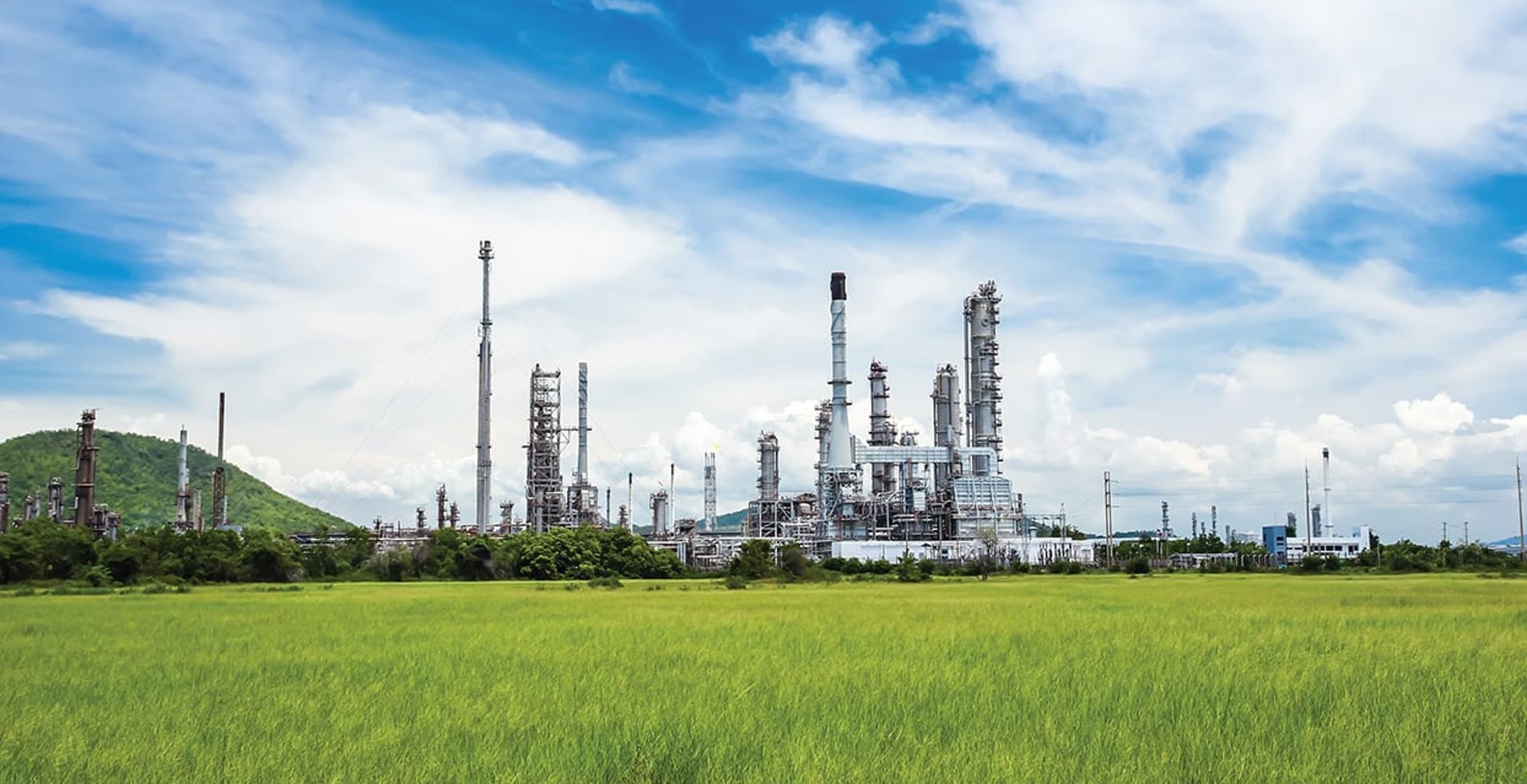
How Companies Can Improve Their PROPER Rating
Improving PROPER ratings requires more than simply meeting regulatory requirements. Companies must strengthen environmental management systems, implement sustainability initiatives, and maintain transparent environmental monitoring and documentation.
3/16/20263 min baca


Environmental performance has become an increasingly important indicator of corporate responsibility in Indonesia. One of the most widely recognized programs evaluating environmental performance is Program Penilaian Peringkat Kinerja Perusahaan dalam Pengelolaan Lingkungan Hidup (PROPER).
The program is implemented by Kementerian Lingkungan Hidup dan Kehutanan Republik Indonesia to assess how companies manage their environmental responsibilities.
PROPER ratings are publicly announced and can significantly influence a company's reputation, regulatory credibility, and stakeholder trust.
For many industrial companies, improving their PROPER rating is not only about regulatory compliance but also about strengthening environmental management systems and sustainability performance.
Legal Framework of PROPER
The implementation of PROPER is supported by Indonesia’s environmental regulatory framework, including:
• Undang-Undang Nomor 32 Tahun 2009 tentang Perlindungan dan Pengelolaan Lingkungan Hidup
• Peraturan Menteri Lingkungan Hidup dan Kehutanan Nomor 1 Tahun 2021 tentang Program Penilaian Peringkat Kinerja Perusahaan dalam Pengelolaan Lingkungan Hidup
These regulations provide the legal foundation for evaluating corporate environmental performance and encouraging companies to go beyond minimum regulatory compliance.
Understanding PROPER Ratings
PROPER evaluates companies through a color-based rating system:
Gold
Outstanding environmental performance and sustainability leadership.
Green
Environmental management practices that exceed regulatory requirements.
Blue
Compliance with environmental regulations.
Red
Partial non-compliance with environmental regulations.
Black
Serious environmental violations.
Many companies initially achieve a Blue rating, which indicates regulatory compliance. However, moving to Green or Gold requires more advanced environmental management initiatives.
Common Challenges in Improving PROPER Ratings
Improving PROPER ratings is often challenging for industrial companies due to several factors.
Limited Environmental Management Systems
Some companies focus mainly on regulatory compliance but lack structured environmental management systems.
Inconsistent Environmental Monitoring
Environmental monitoring data may not be well managed, documented, or integrated into operational decision-making.
Lack of Sustainability Initiatives
To achieve higher PROPER ratings, companies must demonstrate initiatives such as energy efficiency, water conservation, and waste reduction.
Weak Environmental Documentation
Incomplete environmental documentation can reduce the credibility of environmental performance claims during evaluation.
Example Case: Improving PROPER Performance
A manufacturing company initially received a Blue PROPER rating, indicating compliance with environmental regulations.
However, during evaluation, the company faced several challenges:
• environmental monitoring data was not well integrated
• resource efficiency programs were limited
• environmental documentation was incomplete
As a result, although the company complied with regulations, it did not meet the additional criteria required for a higher rating.
Improvement Strategy
The company implemented several improvement initiatives:
• strengthening environmental monitoring systems
• implementing energy efficiency programs in production processes
• improving wastewater treatment performance
• developing environmental documentation and reporting systems
• initiating environmental community programs
After implementing these initiatives, the company significantly improved its environmental performance and became eligible for a higher PROPER rating in subsequent evaluations.
Key Strategies to Improve PROPER Ratings
Companies aiming to improve their PROPER performance should focus on several strategic areas.
1. Strengthen Environmental Compliance Systems
Regulatory compliance is the foundation of PROPER performance.
Companies must ensure compliance with environmental regulations related to:
• wastewater discharge standards
• air emission control
• hazardous waste management
• environmental monitoring and reporting
Establishing clear internal procedures and compliance monitoring systems can significantly reduce environmental compliance risks.
2. Improve Environmental Monitoring Systems
Reliable environmental monitoring systems provide the data needed to demonstrate environmental performance.
For example, wastewater monitoring systems such as SPARING (Sistem Pemantauan Kualitas Air Limbah Secara Terus-Menerus dan Dalam Jaringan) help ensure transparency and consistency in environmental data reporting.
Accurate monitoring data also strengthens environmental documentation during PROPER evaluation.
3. Implement Resource Efficiency Programs
To achieve Green or Gold PROPER ratings, companies must demonstrate environmental performance improvements beyond regulatory compliance.
Common initiatives include:
• energy efficiency improvements
• water conservation programs
• waste reduction strategies
• material efficiency optimization
These initiatives not only improve environmental performance but also reduce operational costs.
4. Strengthen Environmental Documentation and Reporting
Environmental documentation is essential for demonstrating compliance and performance during PROPER evaluation.
Companies should maintain comprehensive documentation including:
• environmental monitoring data
• pollution control performance records
• environmental management procedures
• sustainability initiatives
Well-structured documentation improves transparency and credibility during environmental performance assessments.
5. Develop Corporate Environmental Initiatives
Higher PROPER ratings often require companies to demonstrate broader environmental contributions.
Examples include:
• community environmental programs
• biodiversity conservation initiatives
• circular economy practices
• corporate sustainability initiatives
These programs show that companies are actively contributing to environmental sustainability beyond regulatory obligations.
Business Benefits of Higher PROPER Ratings
Improving PROPER ratings can provide several strategic advantages for companies.
Higher environmental performance ratings may contribute to:
• stronger corporate reputation
• improved stakeholder trust
• better positioning in sustainability-focused markets
• increased confidence from financial institutions and investors
Companies with strong environmental performance are also better prepared to meet evolving environmental regulations and global sustainability expectations.
Conclusion
Improving PROPER ratings requires more than simply meeting regulatory requirements. Companies must strengthen environmental management systems, implement sustainability initiatives, and maintain transparent environmental monitoring and documentation.
By adopting a proactive environmental management approach, companies can not only improve their PROPER ratings but also enhance operational efficiency, reduce environmental risks, and strengthen long-term business sustainability.
PT ENVITAMA SOLUSI INDONESIA
PT ENVITAMA SOLUSI INDONESIA @2025
Addresses :
Taman Setiabudi Indah 2 Blok 2 No. 22 Medan Sunggal. Medan Sumatera Utara

Chat dengan Teknikal Asisten Kami: